Cold brew ratio of 1 to 8 makes concentrate, so cut it before you pour
A 1:8 cold brew ratio means 100 grams of coffee to 800 grams of water, and most of it wants diluting 1 to 1 before it hits ice. Here are the gram amounts, scoop math, steep times and what each batch costs at today's coffee prices.
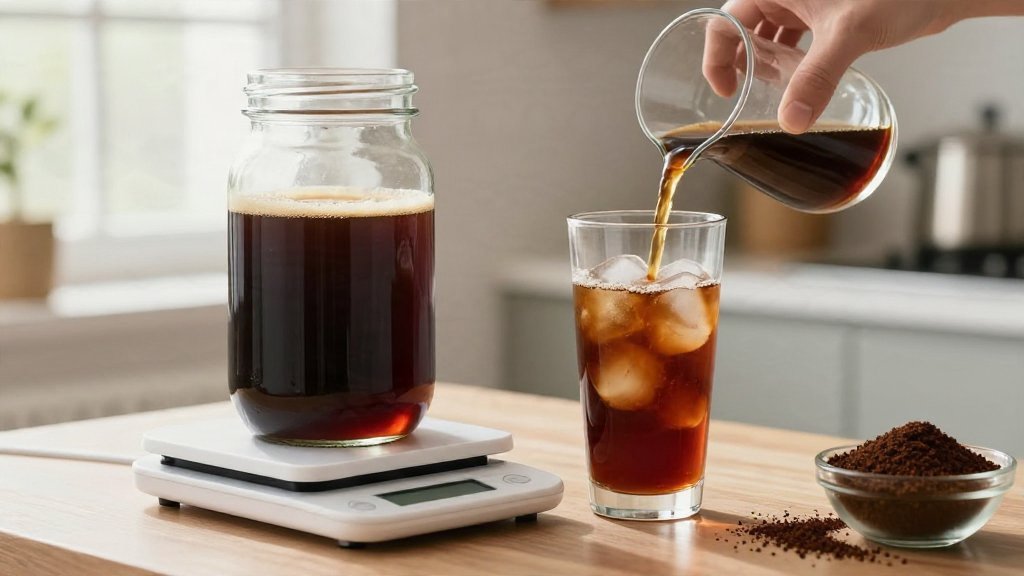
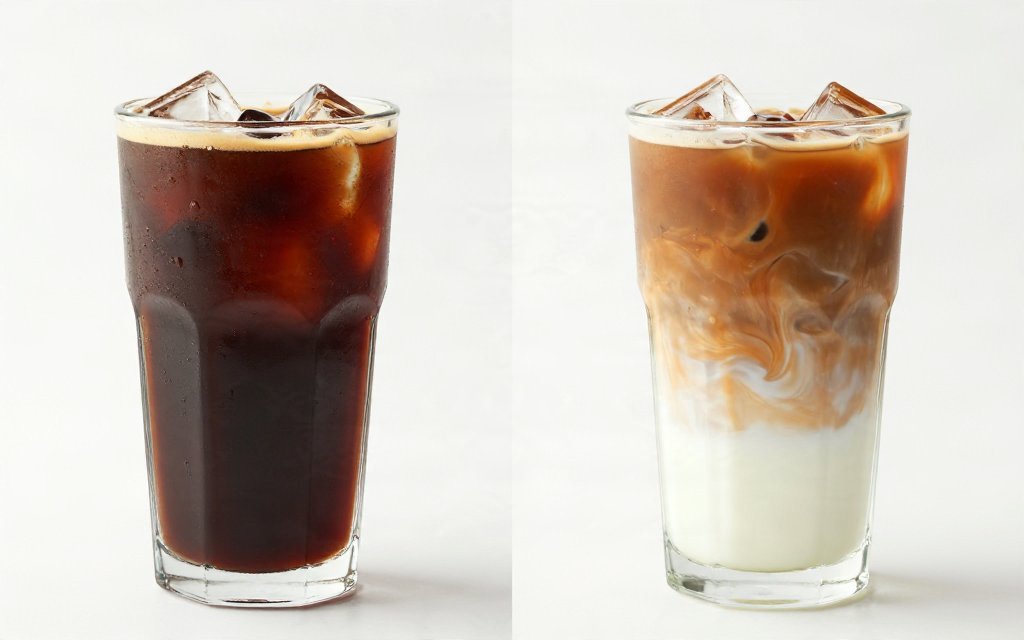
Steep 100 grams of coarse coffee in 800 grams of water and you've made a cold brew ratio of 1 to 8, which Methodical Coffee puts at the light end of concentrate. Poured straight over ice, it tastes heavy. Cut it 1 to 1 with water or milk and the glass ends up close to 1 to 16, the same strength as a decent pot of drip.
Not everyone draws the concentrate line in the same place. Complete Home Barista treats 1:5 as concentrate and calls 1:8 a balanced drink-ready batch, so a cold brew ratio is only half the story. Taste a splash before you dilute, and let the scale tell you which kind of jar is sitting in your fridge.
Why a cold brew ratio of 1 to 8 still needs water
Cold water pulls flavor out slowly, so recipes make up for it with lots of coffee and a long soak. Equal Exchange's Toddy instructions call for 12 ounces of grounds (340 g) and 7 cups of water, which is roughly 1,656 grams. That works out to about 1 to 4.9, much stronger than a 1:8 jar, and they still tell you to cut it 1 to 1 before serving.
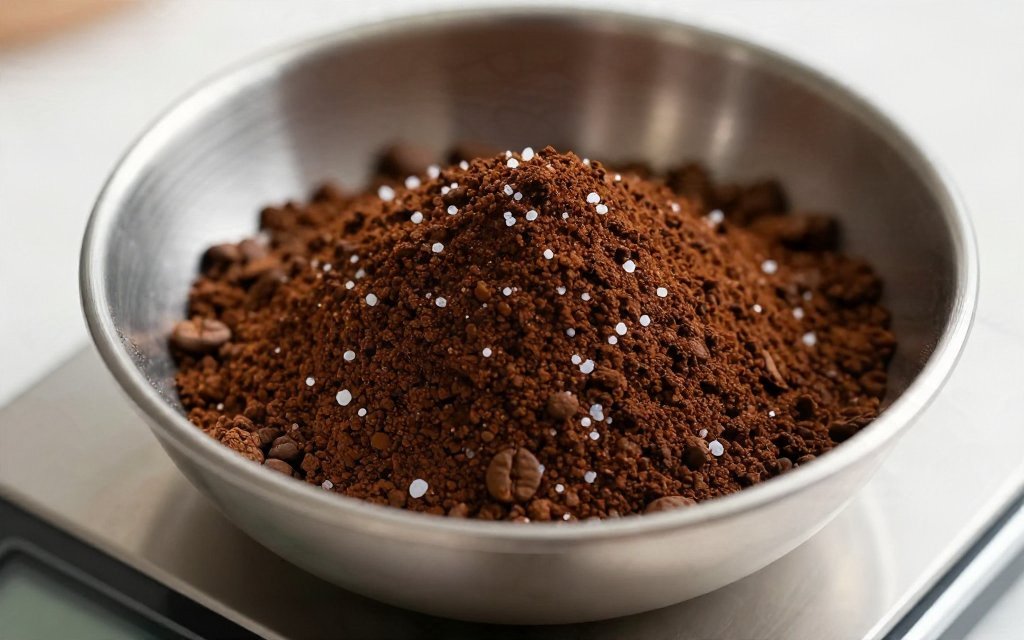
Here's the useful bit of arithmetic. Diluting a jar 1 to 1 roughly doubles the water side of its strength, so a 1:5 batch drinks like 1:10 and a 1:8 batch drinks like 1:16. Wet grounds keep some liquid behind, so the real numbers run a touch stronger than that.
Rule of thumb: whatever ratio you steep at, a 1 to 1 cut roughly doubles the water number. Steep at 1:8 and you're drinking something close to 1:16.
Cold brew coffee ratio next to French press and pour over
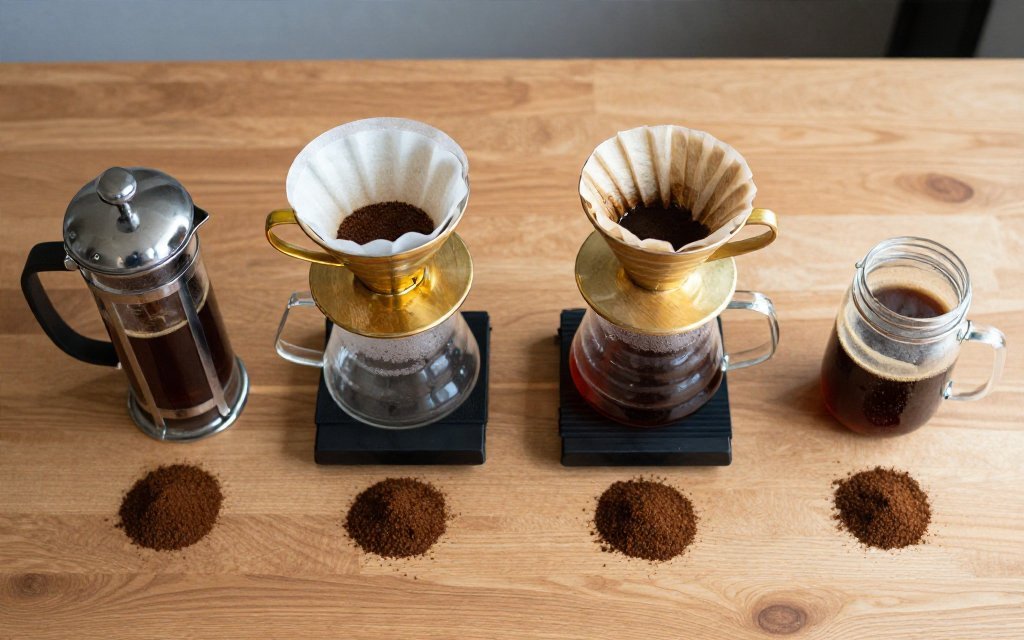
Hot brewing needs far less coffee. Methodical lists a french press coffee ratio of 1:12 to 1:16, a pour over coffee ratio of 1:14 to 1:16 and drip at 1:16 to 1:18. Counter Culture Coffee keeps its general coffee to water ratio at 1:17 and tightens it to about 1:15 for immersion brewers.
| Method | Ratio | Per 500 g |
|---|---|---|
| Cold brew concentrate | 1:5 | 100 g coffee |
| Lighter cold brew | 1:8 | 62.5 g coffee |
| French press | 1:15 | 33 g coffee |
| Pour over | 1:16 | 31 g coffee |
| Drip, Counter Culture | 1:17 | 29 g coffee |
| Drip, SCA batch | 1:18 | 28 g coffee |
The Specialty Coffee Association's batch target of 55 grams per liter sits at about 1:18, per Methodical. Next to that, a cold brew coffee ratio uses two to three times as much coffee for the same water, which is exactly why the dilution step matters. If your recipe is in ounces, the grams to ounces converter handles the swap: 100 grams is 3.5 ounces.
Can you use the French press ratio for cold brew?
You can steep cold brew in a French press, but don't use its hot recipe. A french press ratio of 1:15 is built around hot water, and it puts in barely half the coffee of a 1:8 jar. Load the press at 1:8 instead, plunge after the steep, and dilute in the glass.
How much coffee grounds per cup of cold brew
Work backward from the glass. A 12 ounce glass holds about 355 grams of liquid, so half of that, roughly 178 grams, is concentrate if you cut 1 to 1. At 1:8 that concentrate took about 22 grams of coffee, or a little over two classic scoops.
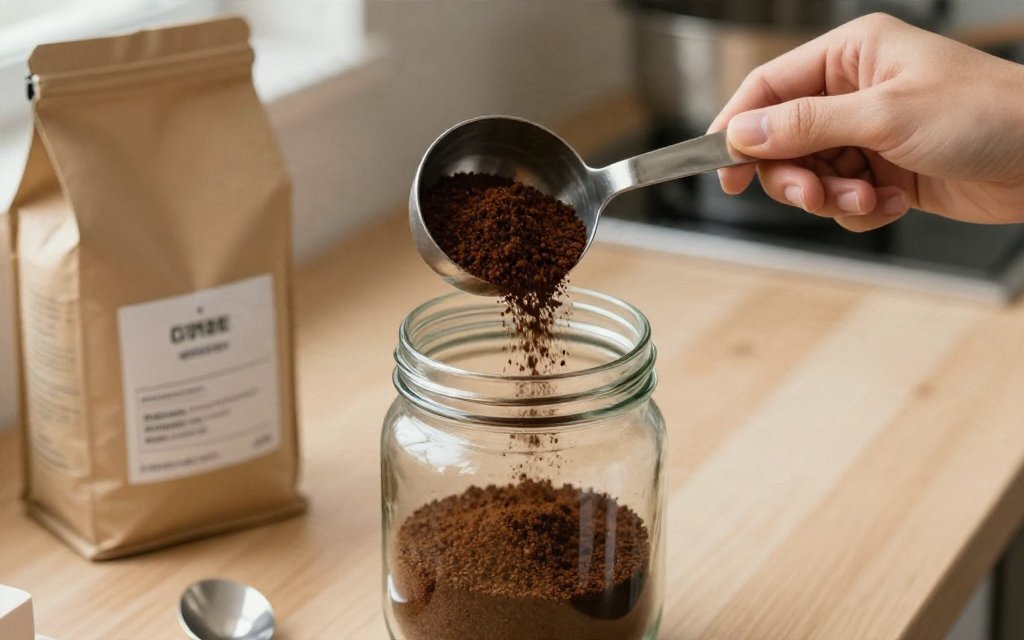
Scoops are where things drift. Coffee Review says the classic scoop holds 10 grams, which is two tablespoons, but the small scoops that come in coffee bags can hold 5 to 7 grams. The same 22 grams might be two scoops or four, depending on which one is in your drawer.
A scoop is a guess with a handle. Weigh the first batch once, note the grams, and every jar after that tastes the same.
What a pound of coffee buys you at each ratio
Ground coffee averaged $9.249 a pound in October 2026, according to BLS data published on FRED. A pound is 453.6 grams, so every gram costs a little over 2 cents. That makes the ratio a money decision as much as a taste one.
| Batch ratio | Coffee per liter | Coffee cost |
|---|---|---|
| 1:5 concentrate | 200 g | $4.08 |
| 1:8 lighter | 125 g | $2.55 |
| 1:16 hot drip | 62.5 g | $1.27 |
By our math, a 1:8 jar made with a liter of water and cut 1 to 1 gives close to two liters of drink, before the grounds hold some back. That's about 45 to 55 cents of coffee in each 12 ounce glass. A 1:5 jar costs more up front, but you dilute it further, so it lands in the same range per glass once you match the strength.
Fixing a batch that tastes off
Complete Home Barista recommends a 14 to 16 hour steep for most beans, with light roasts going 16 to 18 hours if they need it. Equal Exchange gives a wider 12 to 24 hour window for the Toddy and suggests starting at 12. When a jar disappoints, change one thing at a time so you know what worked.
When the batch tastes too weak
Raise the coffee dose by 10 to 15 percent, the fix Complete Home Barista suggests. On a 100 gram batch that's 10 to 15 more grams, which is easy to hit on a scale and impossible to judge by eye.
When it turns bitter or sour
For bitterness, the same guide says to grind coarser and pull the steep back by 2 hours. Sour or thin points the other way: grind slightly finer or add 2 hours.
Cold brew questions people actually ask
How many scoops of coffee per cup?
For hot coffee, Counter Culture's no-scale rule is 1 tablespoon per 4 ounces of water, so a classic 2 tablespoon scoop covers about 8 ounces. For a 12 ounce glass of 1:8 cold brew cut 1 to 1, plan on about 22 grams, a bit over two 10 gram scoops.
How many tablespoons of ground coffee per cup?
Methodical puts 10 grams at roughly 2 tablespoons, so a tablespoon is about 5 grams of grounds. Grind and roast shift that, which is why our guide to tablespoon weights shows the same spoon carrying very different grams.
Is there a coffee to water ratio calculator for cold brew?
You don't need one. Divide the water weight by your ratio: 800 grams at 1:8 is 100 grams of coffee, and 1,000 grams at 1:5 is 200 grams. If your water is measured in cups, our breakdown of ounces in a cup gets you to grams.
How long does cold brew concentrate keep?
Complete Home Barista gives concentrate 7 to 10 days in a sealed container. Dilute by the glass rather than diluting the whole jar.
Steep strong, store it sealed, and add water only to the glass in your hand. Concentrate keeps 7 to 10 days that way.
Need to weigh your grounds and nothing's handy? Download Scale for Grams and get an AI-powered weight estimate from a photo in seconds, so your next cold brew jar starts at the right ratio. Get the app here: iOS.
Scale for Grams
Need to Weigh Something?
Download Scale for Grams and get an AI weight estimate from a photo in seconds.