What weighs 100 grams, plus things that weigh a gram
Twenty U.S. nickels weigh exactly 100 grams, and your junk drawer is full of other reference weights. Here is what weighs 100 grams, which everyday things weigh a gram, and how to measure grams without a scale using coins.
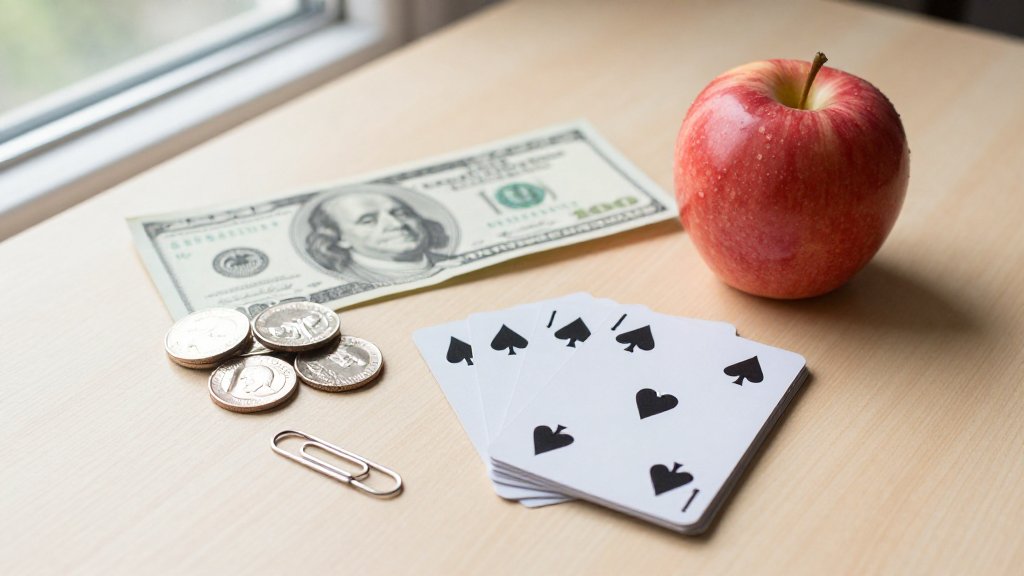
Twenty U.S. nickels weigh exactly 100 grams, and that one fact can stand in for a kitchen scale when you don't have one nearby. People ask what weighs 100 grams for all kinds of reasons: checking a scale, portioning food, or settling a bet. The honest answer is that your pocket, your junk drawer, and your recycling bin are full of objects with known, repeatable weights.
So this is really a guide to how to measure grams without a scale, using things you already own as reference weights. None of it beats a real scale for precision, but a nickel is always a nickel. Coins are minted to tight tolerances, a fresh dollar bill weighs about a gram, and water runs a gram per milliliter. Line a few of those up and you can land within a gram or two of the truth.
What weighs 100 grams
Start with 100 grams, because it is the number scale makers use for calibration and the number most reference lists point to. A U.S. nickel weighs 5.000 grams, so 20 of them reach 100 grams with no math at all. Prefer paper money? A short stack of 100 dollar bills weighs close to 100 grams too, since each bill is about a gram. Here are some everyday stand-ins.
| Item | Weight | Note |
|---|---|---|
| 20 nickels | 100 g | Best DIY calibration weight |
| 40 pennies | about 100 g | Older pennies weigh a bit more |
| 100 mL water | 100 g | One gram per milliliter |
| Deck of cards | 95 to 100 g | Handy in any drawer |
| Medium apple | about 100 g | Varies with size |
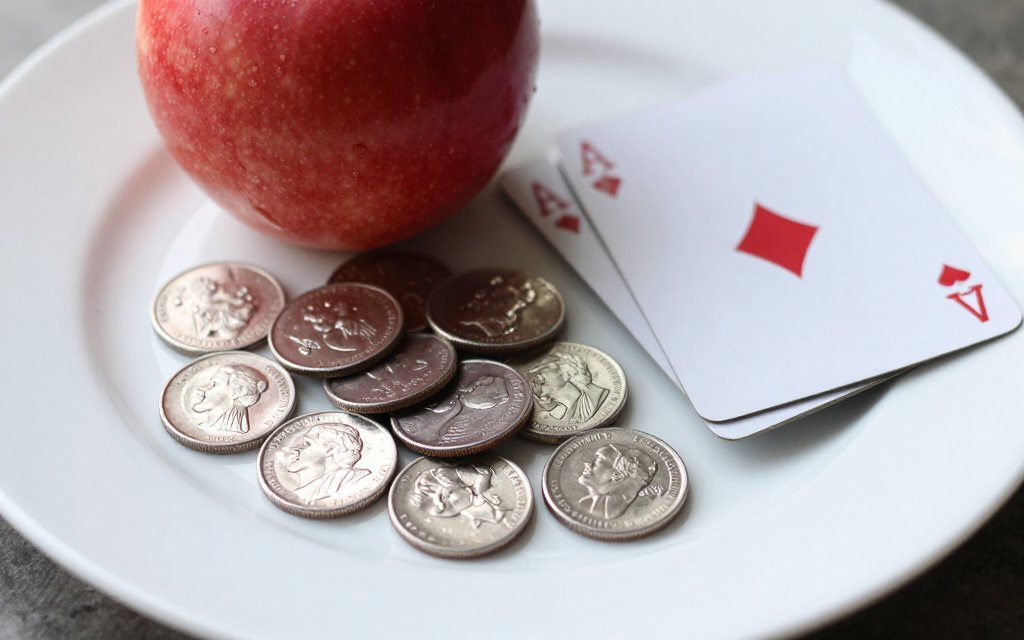
Twenty nickels equal 100 grams to the gram, which is why so many people use pocket change to test a cheap digital scale before they trust it.
Coins are the closest thing to free calibration weights
Every circulating U.S. coin has a published weight, and the mint holds each one to a fraction of a percent. That makes coins the cheapest reference weights you will ever own. According to the U.S. Mint's official specs, a penny is 2.5 grams, a nickel is 5 grams, a dime is 2.268 grams, and a quarter is 5.67 grams. You can pull the full coin weight chart on our site, or read the full US coin guide for every denomination.
How much do common coins weigh
Mix denominations to hit almost any target. Need 10 grams? Two nickels. Need 25 grams? Four nickels and a penny gets you there. The table below shows how many of each coin add up to 100 grams, using the mint's exact figures.
| Coin | Each | To reach 100g |
|---|---|---|
| Penny | 2.5 g | 40 coins |
| Nickel | 5.0 g | 20 coins |
| Dime | 2.268 g | 44 coins |
| Quarter | 5.67 g | about 18 coins |
| Half dollar | 11.34 g | about 9 coins |
Things that weigh a gram
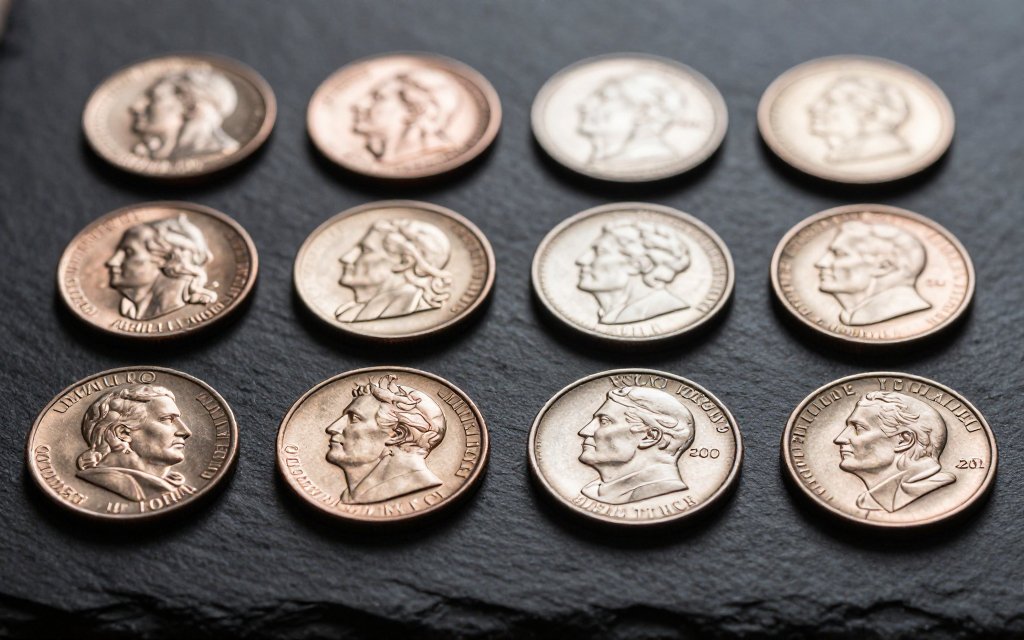
A single gram is harder to feel, but plenty of small objects hit it almost dead on. The classic is paper money, since a U.S. bill of any denomination weighs about one gram. A standard paper clip is another. Keep a couple of these things that weigh a gram in mind and you can sanity check tiny amounts, which is where most kitchen and hobby measuring goes wrong. For a longer list of one-gram objects, other reference guides go deep.
A U.S. dollar bill weighs one gram whether it is a single or a hundred, because paper currency is printed to that same standard.
How to measure grams without a scale
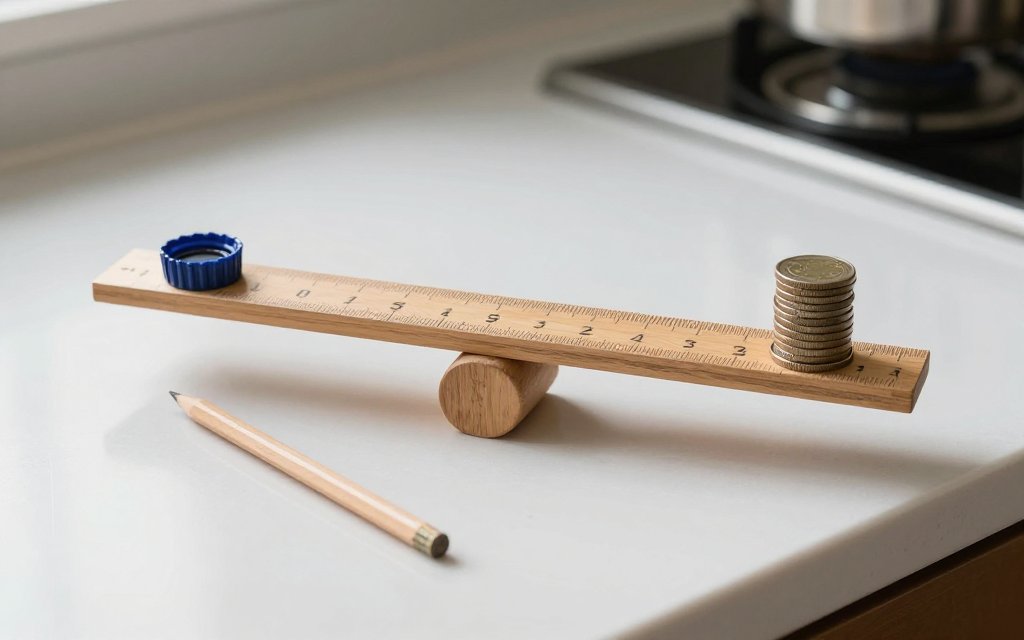
The trick is comparison, not guessing. Put your unknown item on one side of a simple balance and add coins to the other until they level out, then add up the coin weights. That is the whole method behind how to measure grams without a scale, and it is how jewelers worked for centuries before digital scales existed.
Build a coin balance in five minutes
You need a ruler, a round pencil, and a handful of coins. Set it up on a flat counter and work slowly so the ruler does not tip.
For liquids, skip the balance entirely. Water weighs a gram per milliliter, so 250 mL of water is 250 grams and 500 mL is 500 grams. Our water weight guide covers the few exceptions, like warm or salty water.
What this saves you in money and do-overs
A decent digital kitchen scale runs about 15 to 25 dollars, and a jeweler's pocket scale costs roughly the same. That is not much, but the real cost of guessing is wasted ingredients. A loaf with 30 extra grams of flour bakes dense, and an over-portioned shake burns through a 40 dollar tub of protein faster than the label promises.
Guessing an extra 30 grams of flour can turn a light loaf into a dense brick, so a coin-checked cup pays for itself fast.
Reference weights close that gap for free. If you ship from home, a few nickels can confirm whether a padded envelope is under the 85 gram, 3 ounce first-class limit before you pay for postage. Convert between units in a second with our grams to ounces converter when a chart lists one unit and your scale reads the other.
When a guess is not good enough
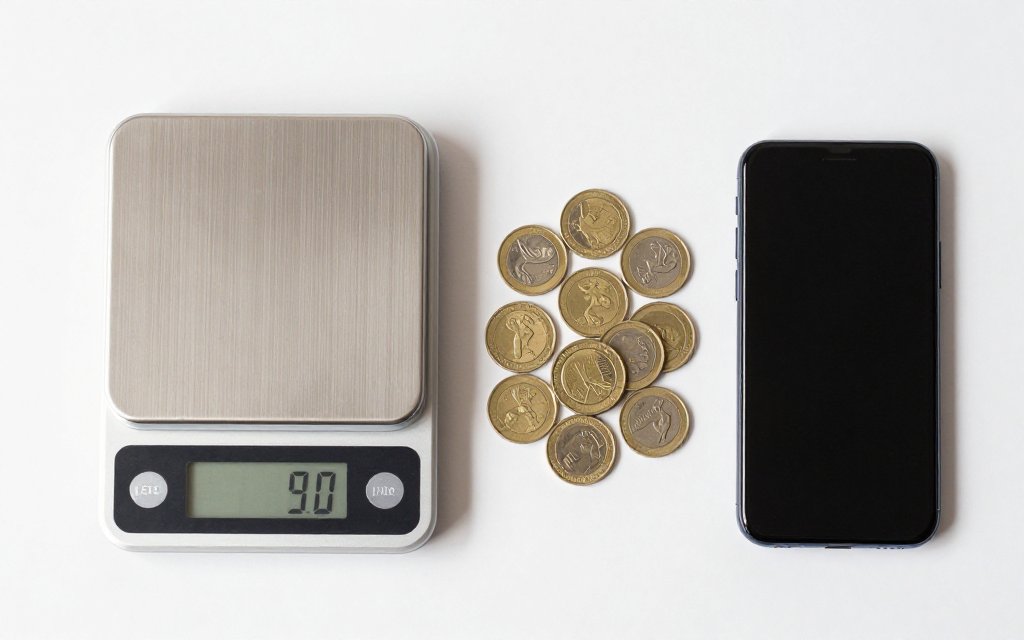
Reference weights get you close, not certified. For anything where the number changes an outcome, you want a real measurement. Medication doses, resale gold, and lab work all need a calibrated scale or a photo estimate you can double check. That is the gap a phone fills: point the camera, get grams in seconds, and skip the coin math when you are in a hurry.
Common questions about weighing grams without a scale
What weighs 100 grams exactly?
The cleanest answer is 20 U.S. nickels. Each one is 5.000 grams by mint spec, so twenty come to 100 grams with no rounding. A hundred milliliters of water is another exact 100 grams, since water weighs a gram per milliliter at room temperature. Those two are the go-to answers when someone asks what weighs 100 grams exactly.
How do you measure grams without a scale?
Compare your item against known weights. Build a simple ruler-and-pencil balance, add coins until it levels, then total the coin weights. It is not lab grade, but a coin-based balance gets most people within a gram or two. Whether you search how do I measure grams without a scale or how can I measure grams without a scale, the coin balance is the same fix.
How can I weigh food without a scale?
Weigh a container of the food against coins, then subtract the container's own weight. Keep a few anchor weights handy, like a nickel at 5 grams, so you can check a portion against them. People often search how to weigh food without a scale, and this container trick is the honest answer when you need it fast.
Can you weigh without a scale when grams really matter?
For high-stakes weighing, reference objects only get you close. Gold resale, medication, and shipping refunds all reward precision, so use a calibrated scale or a photo-based estimate you can verify twice. That is really the limit of how to weigh without a scale, so save the coin tricks for the kitchen and the craft table.
Need to weigh something fast and skip the coin math? Scale for Grams gives you an AI weight estimate in grams straight from a photo, with no calibration and no pocket change required. Get the app here: iOS.
Scale for Grams
Need to Weigh Something?
Download Scale for Grams and get an AI weight estimate from a photo in seconds.