Lifters need twice the RDA, here's how much protein per day to eat
The RDA of 0.8 grams per kilogram is a floor, not a goal. Here's how much protein per day you need for muscle, weight loss or just staying healthy, with worked numbers for real body weights and why weighing your food changes the math.
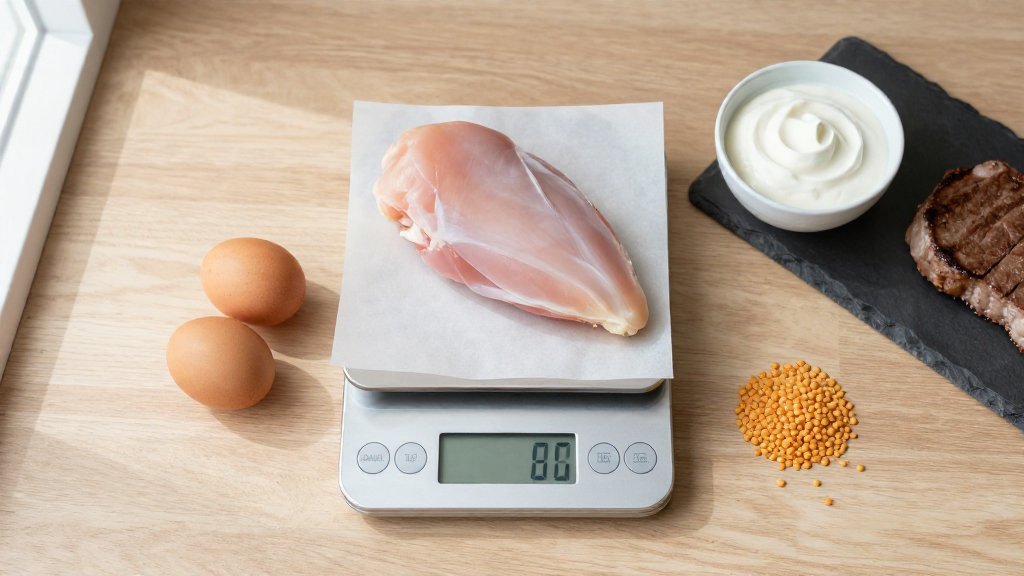
If you lift weights, the government's protein number is about half of what the research says you should eat. The RDA sets how much protein per day an adult needs at 0.8 grams per kilogram of body weight, but studies on strength training keep landing at 1.6 grams, exactly double.
That gap matters because most people pick a target and then guess their portions. Below you'll find how much protein per day fits each goal, worked out in grams for real body weights, plus the quiet reason so many tracked diets miss: nobody actually weighed the chicken.
How much protein per day does the RDA actually cover?
The Recommended Dietary Allowance is 0.8 grams per kilogram, or 0.36 grams per pound. Harvard Health describes it as the minimum needed to keep you from getting sick, not the amount you're supposed to eat every day.
For a 150 pound (68 kg) adult that floor works out to about 54 grams. Harvard notes that meeting only the RDA can supply as little as 10% of an active adult's calories, while the average American already gets around 16% of calories from protein.
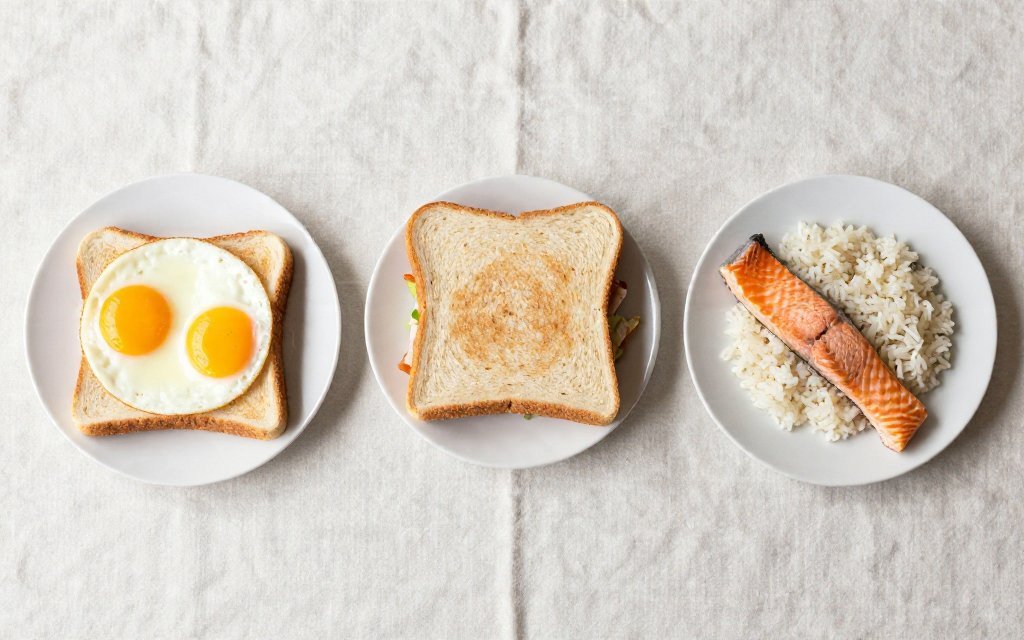
Quick rule: multiply your weight in pounds by 0.36 for the bare minimum, by 0.73 if you're training hard. The second number is the one most lifters should be chasing.
Protein per day to build muscle, by the numbers
The best evidence comes from a 2018 meta-analysis in the British Journal of Sports Medicine that pooled 49 training studies and 1,863 people. As StrengthLog's breakdown explains, gains stopped improving at an average of 1.6 grams per kilogram (0.7 grams per pound).
Why some coaches still say 1 gram per pound
People respond differently, so 1.6 is an average, not a guarantee. The same analysis found that 2.2 grams per kilogram, which is 1 gram per pound, covered 97.5% of participants. If you want to be nearly certain you've eaten enough, that's the safe upper target.
| Goal | Grams per kg | 150 lb adult |
|---|---|---|
| Sedentary minimum (RDA) | 0.8 | About 54 g |
| Older adults | 1.0 to 1.2 | 68 to 82 g |
| Weight loss | 1.2 to 1.6 | 82 to 109 g |
| Building muscle | 1.6 to 2.2 | 109 to 150 g |
How much protein to lose weight without losing muscle
Cutting calories raises the bar. Healthline puts the weight loss range at 1.2 to 1.6 grams per kilogram, which is 82 to 109 grams a day for a 150 pound person. StrengthLog's advice for lifters in a deficit is simpler: add roughly 0.5 grams per kilogram to whatever you ate while maintaining.
The reason is muscle retention. When you eat less, your body is more willing to break down tissue for fuel, and extra protein helps protect it. It's also filling, which makes a calorie deficit easier to live with.
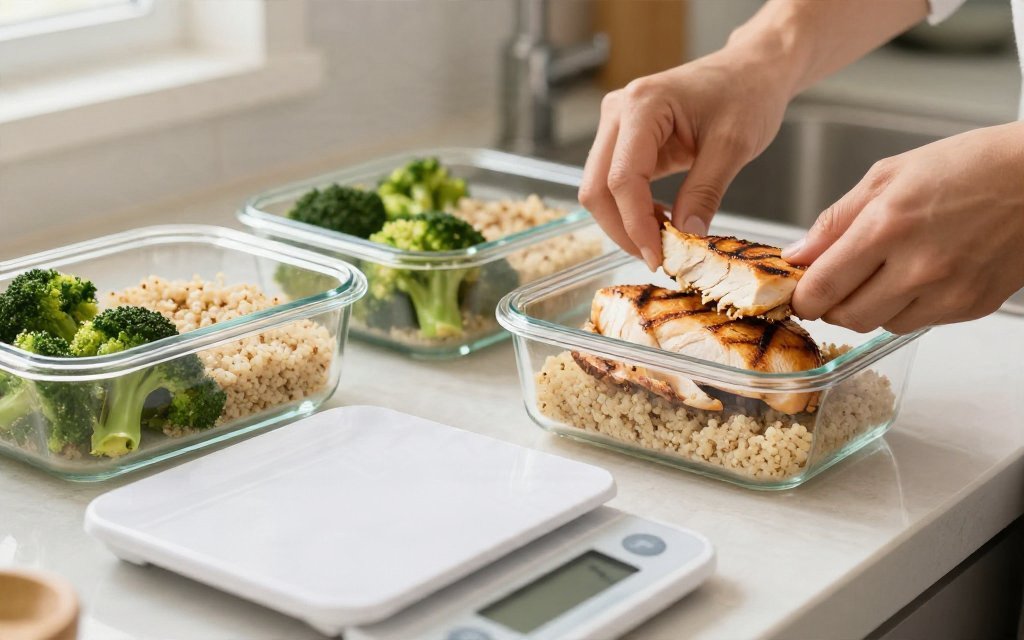
Grams of protein per pound, worked out for real bodies
Most Americans think in pounds, so the per pound version is handier. The RDA is 0.36 grams per pound, the muscle building sweet spot is about 0.73, and the cautious upper target is 1.0. Pick your multiplier, then multiply.
The 180 pound lifter example
So the same person could be told 65 grams or 180 grams depending on which chart they read. Both numbers are correct for different goals, which is exactly why you need to decide what you're training for before you start counting.
What hitting the target means for your results and your grocery bill
The payoff is measurable. In the 2018 analysis, raising intake from 1.4 to 1.8 grams per kilogram produced 27% more muscle growth over two to three months of training. That's a real difference for the same hours in the gym.
The flip side is that eating past your useful ceiling buys you nothing extra in muscle. If 1.6 grams per kilogram covers you, a second scoop of powder every day is money spent on calories, not gains. We ran the cost side in our piece on what chicken breast protein costs per gram, and whole foods usually win.
Going from 1.4 to 1.8 grams per kilogram meant 27% more muscle growth in the studies. Going far past 2.2 mostly means a bigger grocery bill.
Why a protein intake calculator is only as good as your scale
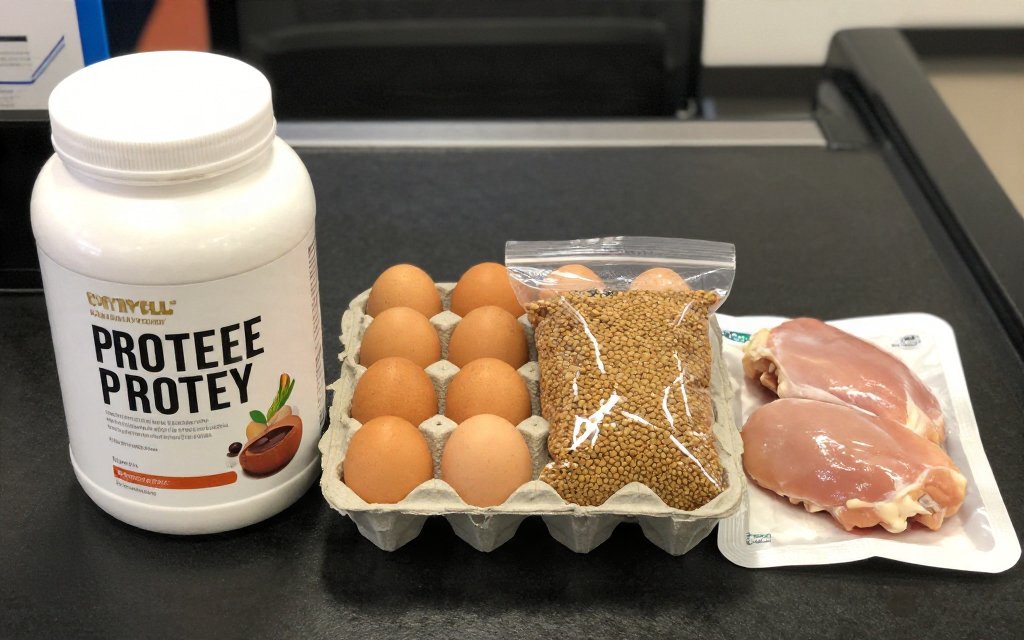
A protein intake calculator hands you a precise number, then you go eyeball a chicken breast. Healthline lists an 8 ounce (226 gram) serving of beef at about 60 grams of protein. Guess 6 ounces when it's really 8 and you've lost around 15 grams without noticing, every single meal.
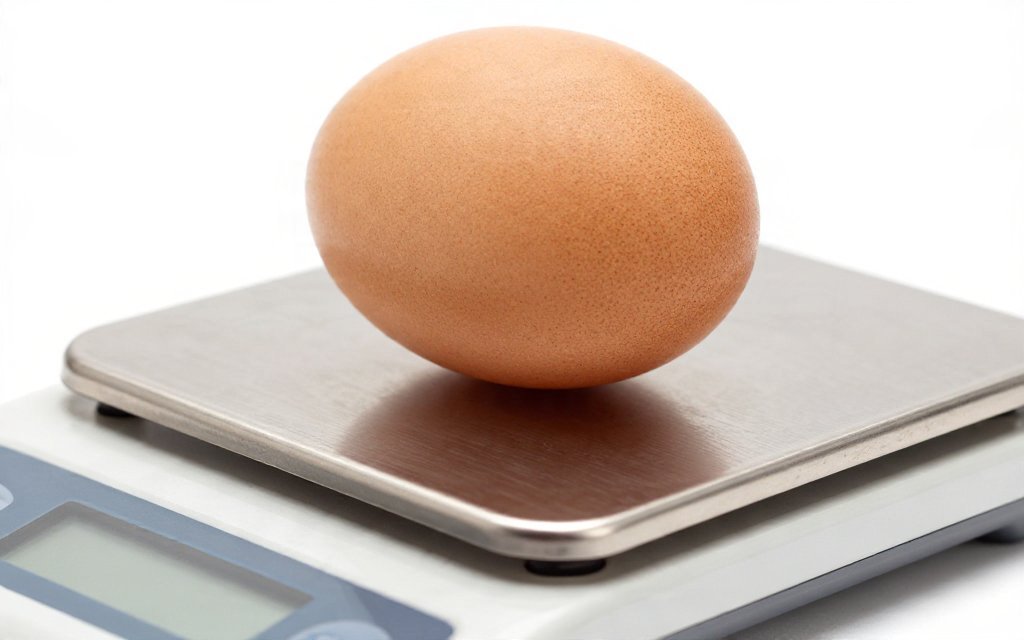
Eggs have the same problem in miniature. Healthline uses a 46 gram large egg with about 6 grams of protein, yet egg sizes run from small to jumbo, which we covered in how much an egg weighs. If your recipes and labels mix units, our grams to ounces converter keeps the math straight.
A target of 130 grams is meaningless if your portions are off by 15 grams a meal. Weigh the protein source raw for one week and the guessing stops.
Your protein questions, answered
How much protein do I need a day if I don't work out?
The RDA of 0.8 grams per kilogram is enough to prevent deficiency in healthy, inactive adults. For a 150 pound person that's about 54 grams. Eating somewhat more is common and generally fine for healthy people.
How many grams of protein in an egg?
A large egg weighing about 46 grams carries roughly 6 grams of protein, according to Healthline. So when people ask how much protein in an egg, the honest answer is about 6 grams, a bit more for jumbo eggs and a bit less for medium ones.
Are lean meats high in protein the easiest way to hit the target?
They're the most concentrated. An 8 ounce portion of beef brings about 60 grams, which is more than the full RDA for a 150 pound adult. Pair them with eggs, dairy or legumes so you aren't relying on one food.
How much protein should I eat a day as I get older?
Healthline suggests older adults aim for 1.0 to 1.2 grams per kilogram, above the standard RDA, to help hold on to muscle. At 150 pounds that's roughly 68 to 82 grams a day, ideally paired with some resistance exercise.
Need to know how many grams of chicken, beef or tofu are on your plate right now? Download Scale for Grams and get an AI-powered weight estimate from a photo in seconds, so your protein target is built on real numbers. Get the app here: iOS.
Scale for Grams
Need to Weigh Something?
Download Scale for Grams and get an AI weight estimate from a photo in seconds.