Pasta Serving Size: How Much Dry Pasta Per Person
How much dry pasta per person? Plan on 100 grams for a main course and 56 grams for a side. This guide breaks down pasta serving size by weight, cups, and shape, plus a no-scale coin trick for spaghetti.
Pasta Serving Size Starts With Dry Weight
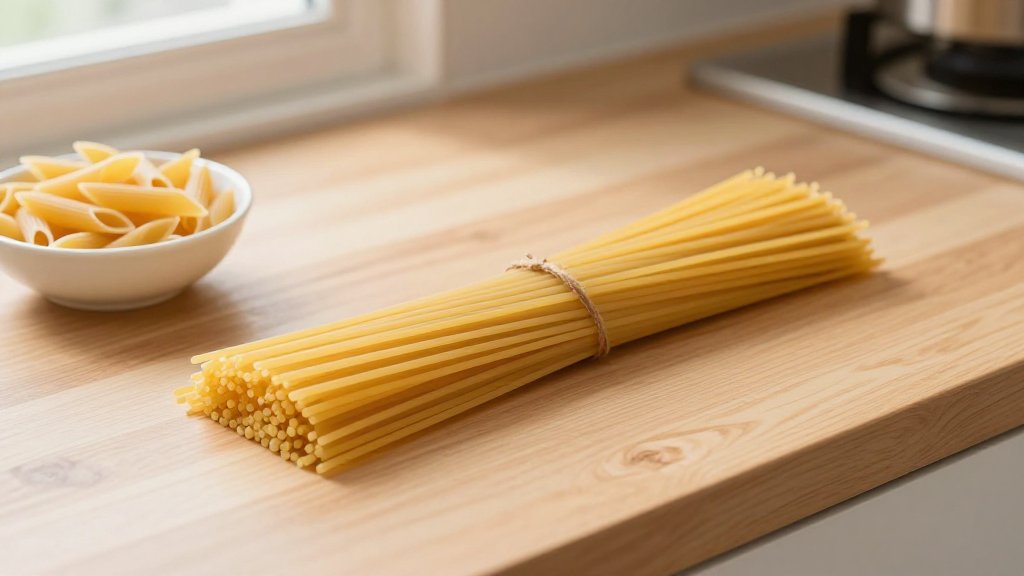
Ask five cooks about the right pasta serving size and you will hear five answers. The number most kitchens settle on is 100 grams of dry pasta for a hungry adult, or about 3.5 ounces. That single figure anchors everything below, from cups to calories to how many boxes a dinner needs.
The pasta serving size on a box tells a different story. Pasta makers print 56 grams, roughly 2 ounces, which is closer to a side than a full plate. Knowing both numbers lets you weigh once and plan the meal, and our grams to ounces converter turns either figure into ounces in a tap.
How Much Pasta Per Person for a Main Course
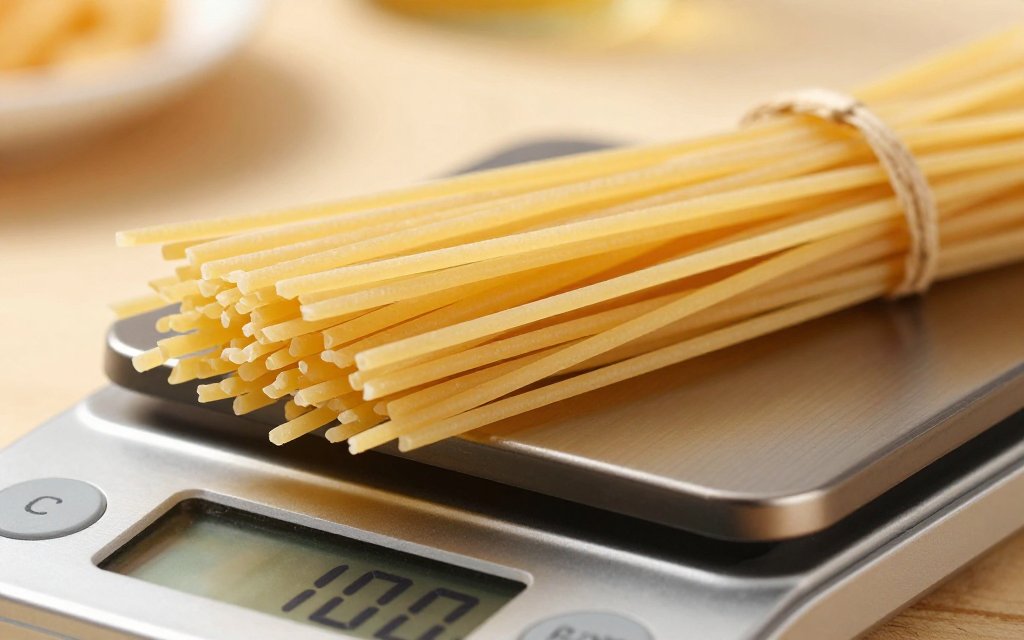
For a main course, plan on 100 grams of dry pasta per person, the amount most chefs call a generous plate. When you wonder how much pasta per person to cook, start at 100 grams and adjust by appetite. Lighter eaters do fine with 75 grams, and the team at What's In The Pan uses the same 100 gram main course rule.
Children usually eat 50 to 70 grams of dry pasta, a bit more than half an adult plate. If you are cooking solo, how much pasta for one person is easy: one 100 gram scoop for dinner, or 56 grams when pasta plays a supporting role. The same weight-first math drives our rice portion guide.
How Much Spaghetti Per Person?
Spaghetti follows the same rule as short shapes. How much spaghetti per person comes to 100 grams dry for a main plate, and the standard portion size spaghetti on a box is 56 grams. Because loose strands are hard to eyeball, spaghetti is where a quick weight check pays off most.
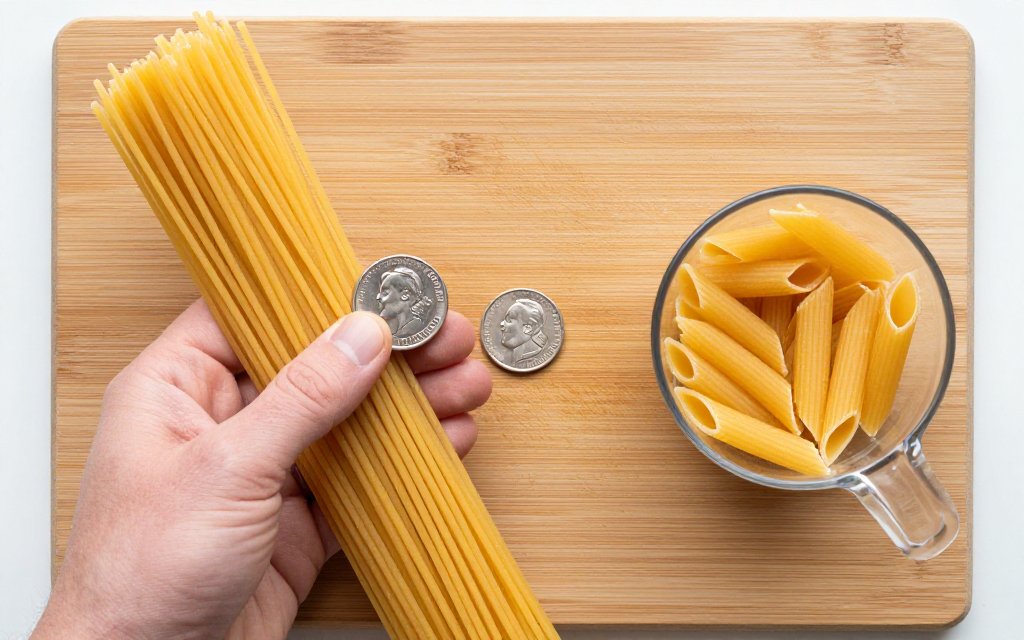
A bundle of dry spaghetti about the diameter of a US quarter weighs close to 56 grams, one standard serving.
Dry Versus Cooked: Why the Weight Doubles
Pasta gains weight as it cooks because it drinks water. A 56 gram nest of dry spaghetti swells to about 130 grams on the plate, roughly one cup. That is why a cooked pasta serving size looks so much larger than the dry amount you measured.
The rule of thumb is that dry pasta soaks up two to two and a half times its weight. So 100 grams dry lands near 2 cups cooked, and a full 454 gram box yields about 8 cups. A sensible serving size for cooked pasta is 1 to 1.5 cups, which lines up with that 56 to 100 gram dry range.
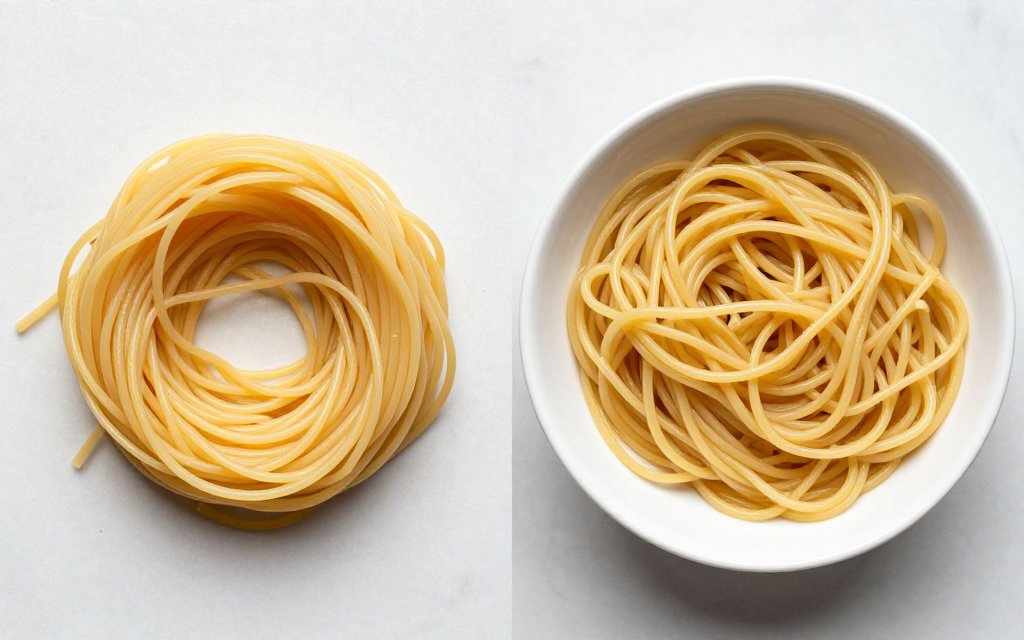
Dry pasta soaks up two to two and a half times its weight in water, so 56 grams becomes about 130 grams cooked.
The numbers matter if you track macros. USDA nutrition data puts dry pasta at 371 calories, 13 grams of protein, and 75 grams of carbohydrate per 100 grams, so a 56 gram box serving is about 211 calories before sauce. To size up a box, our grams to pounds tool converts the 454 gram weight in a tap.
| Serving | Calories | Protein |
|---|---|---|
| 56 g dry | 211 cal | 7 g |
| 100 g dry | 371 cal | 13 g |
| 454 g box | 1684 cal | 59 g |
Measure Pasta Portion Size Without a Scale
No scale nearby? You can still hit a good pasta portion size with a few kitchen references. One cup of dry short pasta like penne or rotini is close to 100 grams, a full adult serving, and half a standard box covers two people.
The Quarter Trick for Spaghetti
For long strands, grab a bundle and compare it to a coin. A bunch of dry spaghetti about the diameter of a US quarter, near 2 and 1 eighth inches around, weighs close to 56 grams. Double the bundle for a main plate.
Serving Size by Pasta Shape
Not every pasta weighs out the same on the plate. Dried short shapes and spaghetti share the 100 gram main course rule, yet fresh and filled pasta are denser and more filling. A spaghetti pasta serving size of 100 grams dry can feel like plenty once it is sauced.
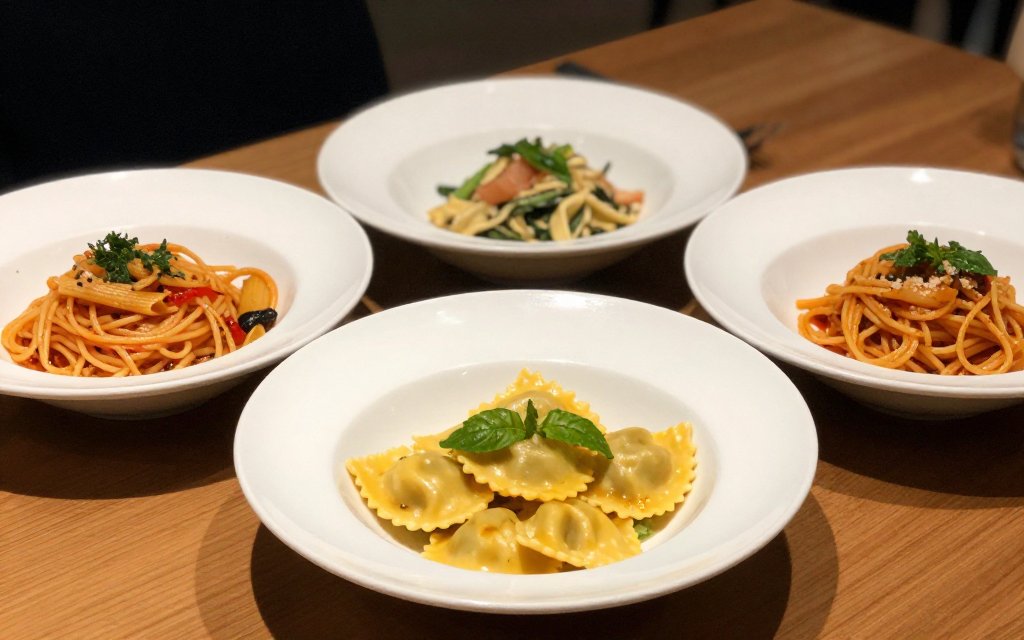
Fresh pasta runs about 120 grams per adult because it holds more water and cooks up soft. Filled shapes like ravioli and tortellini climb to 150 grams since the filling adds heft. The serving size spaghetti fans expect will look different from a bowl of stuffed pasta.
| Pasta Type | Dry Weight | Cooked Cups |
|---|---|---|
| Short pasta | 100 g | About 2 cups |
| Spaghetti | 56 g | About 1 cup |
| Fresh pasta | 120 g | About 2 cups |
| Filled pasta | 150 g | 1.5 cups |
How Much Pasta to Cook for a Crowd
Scaling up is simple multiplication. Take 100 grams per adult, add 56 grams per child, and round to whole boxes. A 454 gram box, the common 1 pound size, holds eight 56 gram servings or about four full main plates.
One pound of dry pasta feeds about four adults as a main course and yields roughly eight cups cooked.
How Many Boxes for Six People?
Six adults at 100 grams each need 600 grams of dry pasta, so two 454 gram boxes give you a comfortable buffer. For a mixed table of grown-ups and kids, one and a half boxes usually does it. When unsure, cook one extra handful, since leftovers reheat well.
Pasta Serving Size Questions
How Much Pasta Per Person in Cups?
One cup of dry short pasta is about 100 grams, a solid main course for one adult. For a side, scoop half to two thirds of a cup. That is the quickest answer to how much dry pasta per person when a measuring cup is closer than a scale.
Is One Cup of Cooked Pasta a Full Serving?
One cup of cooked pasta, about 130 grams, matches a 56 gram dry box serving. It works well as a light meal or a side. For a filling dinner, aim for 1.5 to 2 cups cooked, which is the 100 gram dry portion.
Is a 56 Gram Dry Pasta Serving Size Enough?
A 56 gram dry pasta serving size, the box standard, suits a side or a lighter plate at about 211 calories. Pair it with vegetables and a protein to stay full. Bump it to 75 or 100 grams when pasta is the main event.
Need to weigh a pasta portion fast? Point your phone at the bundle and get an AI weight estimate in seconds, no kitchen scale required. Get the app here: iOS.
Scale for Grams
Need to Weigh Something?
Download Scale for Grams and get an AI weight estimate from a photo in seconds.