Exactly how much is a stick of butter, it's 113 grams every time
A US stick of butter is 113 grams, 4 ounces, 8 tablespoons and half a cup. Here's a butter conversion chart, the math for swapping in a 250 gram European block, and what each stick costs at 2026 prices.
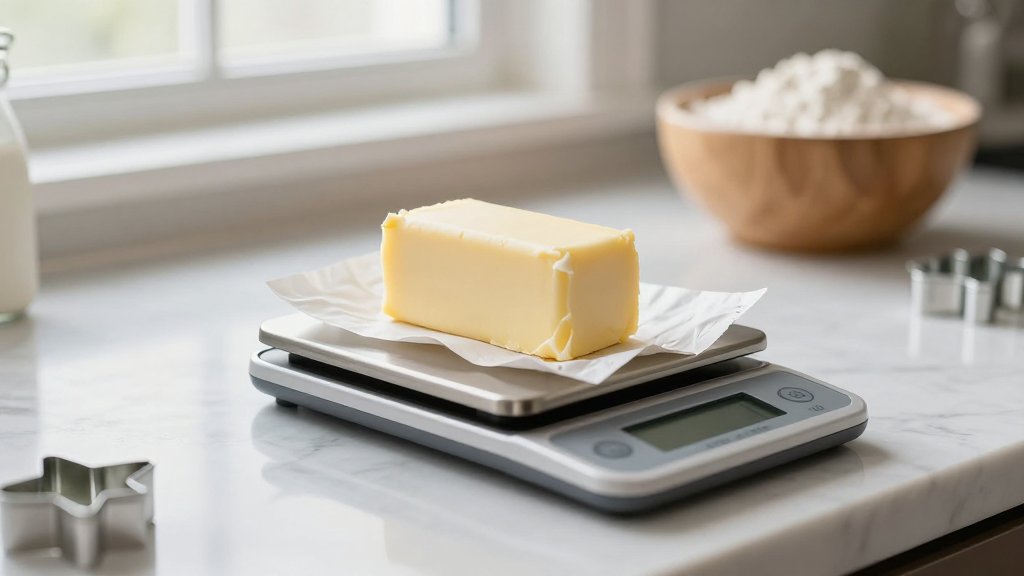
A standard US stick of butter weighs 113 grams, or 4 ounces, and that number doesn't change whether the box came from Maine or California. If you've ever stood at the counter wondering how much is a stick of butter when a recipe is written in grams, that's the figure to tape inside a cabinet door. It's also half a cup and 8 tablespoons, according to King Arthur Baking's ingredient weight chart.
Holiday baking season is when this question comes up most, because cookie and pie recipes jump between sticks, cups and grams on the same card. Below you'll find a butter conversion chart, quick math for partial sticks, what changes with a 250 gram European block, and what all that butter actually costs.
How much is a stick of butter in grams, ounces and cups
Every number here comes from one anchor: a stick is a quarter pound. A pound is 453.6 grams, so a quarter of it lands at 113.4 grams, which nearly every recipe rounds to 113. The paper wrapper splits that into 8 marked tablespoons.
Tablespoons and the wrapper lines
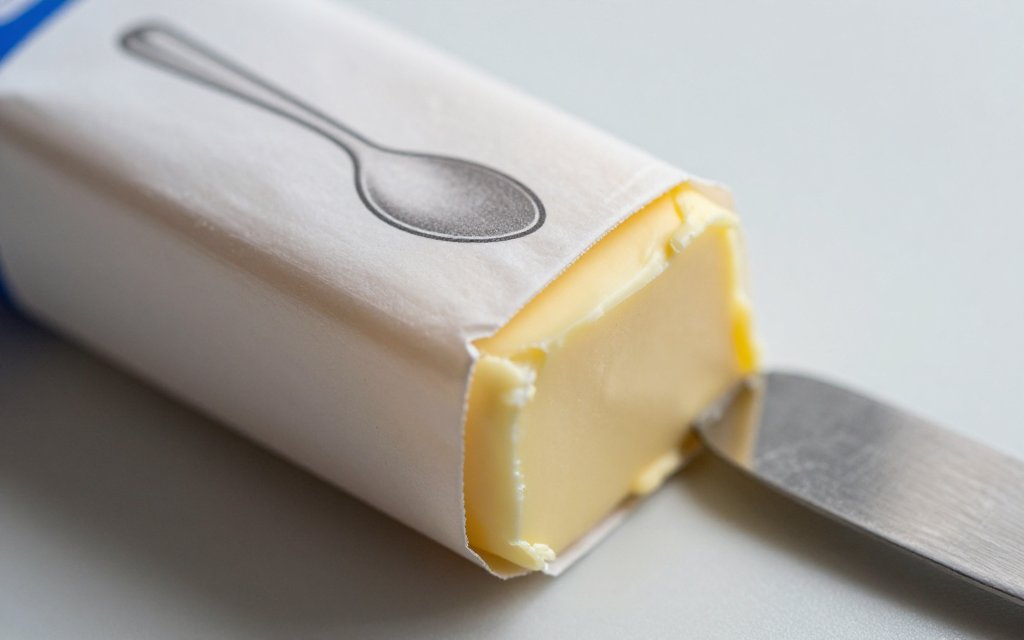
So how many tablespoons in a stick of butter? Eight, and the wrapper prints a line for each one. Divide 113 by 8 and each tablespoon comes out to roughly 14 grams, which helps when a recipe wants 3 tablespoons (about 42 grams) and the wrapper is smeared.
How many ounces in a stick of butter
Four. That's why older US recipes sometimes ask for a quarter pound of butter. Multiply 4 ounces by 28.35 grams per ounce and you get the same 113, which you can double check with our grams to ounces converter.
Rule of thumb: one stick is 113 grams and one tablespoon is about 14 grams. Remember those two numbers and you can convert almost any butter amount in your head.
A butter conversion chart for sticks, cups and grams
This butter conversion chart covers the amounts that show up most in cookie, cake and pie recipes. Grams are rounded to the nearest whole number, which is as fine as any home kitchen scale reads anyway.
| Sticks | Cups | Grams |
|---|---|---|
| 1/4 stick | 2 tbsp | 28 g |
| 1/2 stick | 1/4 cup | 57 g |
| 1 stick | 1/2 cup | 113 g |
| 1 1/2 sticks | 3/4 cup | 170 g |
| 2 sticks | 1 cup | 227 g |
| 3 sticks | 1 1/2 cups | 340 g |
| 4 sticks | 2 cups | 454 g |
Quarter cup and half stick amounts
A 1/4 cup of butter is 57 grams, the same as half a stick or 4 tablespoons. If you see 1/4 cup butter in grams listed as 56 somewhere else, that's only rounding on 56.7, and it won't change your bake.
Half cups and full cups
Flip the question around, one stick of butter is how many cups, and the answer is exactly half. If you're working out how much is a stick of butter in cups for a doubled recipe, keep going the other way too: for 1 cup butter, how many sticks do you unwrap? Two, or 227 grams.
Why cup measurements of butter go wrong
Sticks are pre-portioned, which is their whole appeal. Trouble starts with tubs, half-used sticks and softened butter, when you end up packing it into a measuring cup and guessing at air pockets. Weighing skips all of that.
Using the wrapper when there's no scale
The printed lines work well on a fresh stick that hasn't been dented or partly used. Cut straight down through the paper with a sharp knife for clean tablespoon portions. Once a stick is half gone and squished, though, those lines stop meaning much.
A sealed US stick should read close to 113 grams. If your scale shows something way off, check the scale before you start a big baking day.
Our walkthrough on calibrating a digital scale with a nickel takes about two minutes. It's worth doing before the December cookie rush rather than after a batch comes out greasy.
East Coast and West Coast sticks weigh the same
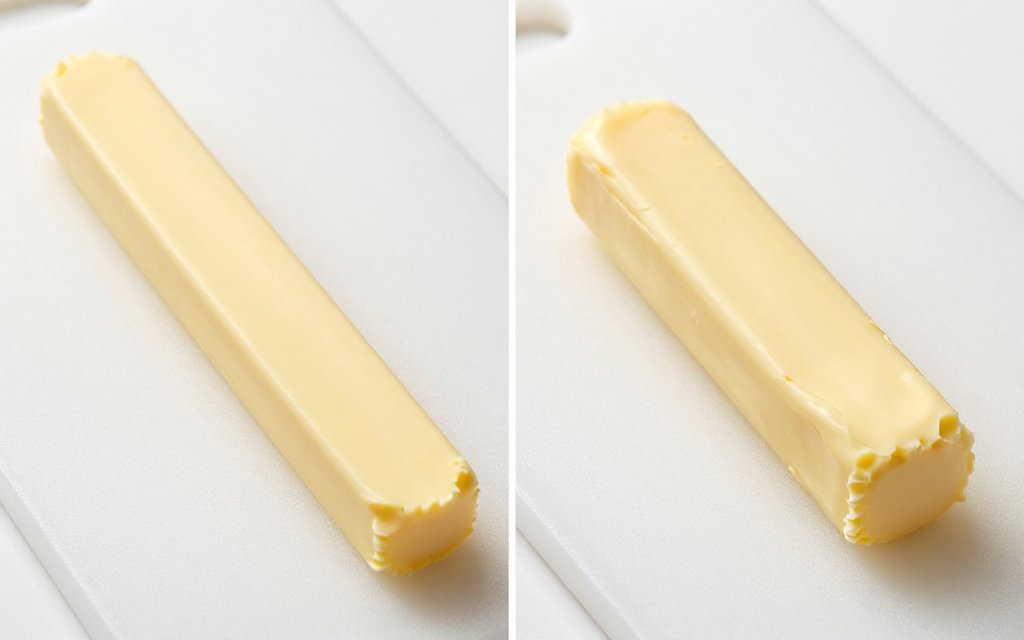
American butter comes in two shapes, and they confuse anyone who moves across the country. The long, thin East Coast stick, called the Elgin, is about 4.8 inches long and 1.3 inches wide and tall. The squat Western Stubby runs about 3.1 by 1.5 inches, according to Chowhound's history of the two shapes.
The Elgin name traces back to the Elgin Butter Co. in Illinois, which sold molds for the long stick. California dairies built their own machines when they ramped up production in the 1960s, and the stubby shape stuck out West. Either way, a stubby stick in a Denver kitchen is still a quarter pound.
European butter vs American butter in a recipe
Butter sold in Europe usually comes in 250 gram blocks rather than quarter-pound sticks. That's 8.8 ounces, or about 2.2 American sticks, so dropping one whole block into a recipe that says 2 sticks adds roughly 23 grams, a bit over 1.5 tablespoons.
Fat is the other gap. The USDA requires American butter to be at least 80% butterfat, while Tasting Table reports the EU minimum at 82%, with many European makers going higher. On 227 grams of butter, that 2 point difference works out to about 4.5 grams more fat and 4.5 grams less water.
When the swap actually matters
Higher fat and less water change texture and flavor in pie crust, shortbread and laminated doughs, which is why plenty of pastry chefs prefer it. In a weeknight sauté you won't notice. Weighing by grams at least keeps the amount identical, whichever style you buy.
Swapping a 250 gram European block for 2 American sticks adds about 23 grams of butter. Weigh out 227 grams instead and save the rest for toast.
What a stick of butter costs per gram in 2026
Butter isn't cheap, which is the best argument for measuring it carefully. The Bureau of Labor Statistics put the average US price of stick butter at $3.96 per pound in September 2026, per FRED's average price series. That's about 99 cents a stick.
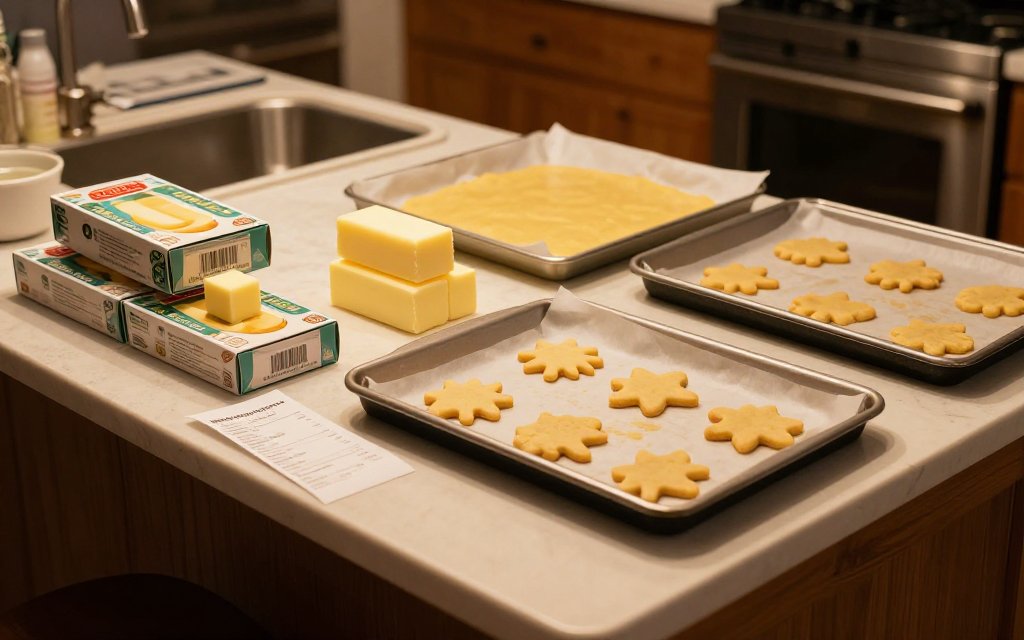
Twelve cents sounds trivial. Bake six batches of cookies for a swap, over-scoop one tablespoon each time, and you've used three quarters of a stick you didn't plan for, plus cookies that may spread more than they should. The real loss is a tray that doesn't turn out, not the pocket change.
Prices move, too. The same series showed $4.02 in August 2026 and $3.82 in June, so a 4 pound holiday haul can shift by close to a dollar depending on when you shop.
Butter questions bakers ask most
How many grams in a stick of butter?
A US stick holds 113 grams, or 113.4 if you keep the decimal. Recipes and nutrition labels nearly always round it to 113.
How many sticks of butter are in 1 cup?
Two sticks make 1 cup, which is 227 grams or 16 tablespoons. Half a cup is a single stick, so a recipe calling for 3/4 cup needs one and a half sticks, or 170 grams.
Is a stick of butter in grams the same for every brand?
For US sticks, yes. The long Elgin and the stubby Western stick are both labeled 4 ounces. Imported butter is the exception, since it's often sold in 250 gram blocks.
How do I measure butter for a recipe in grams?
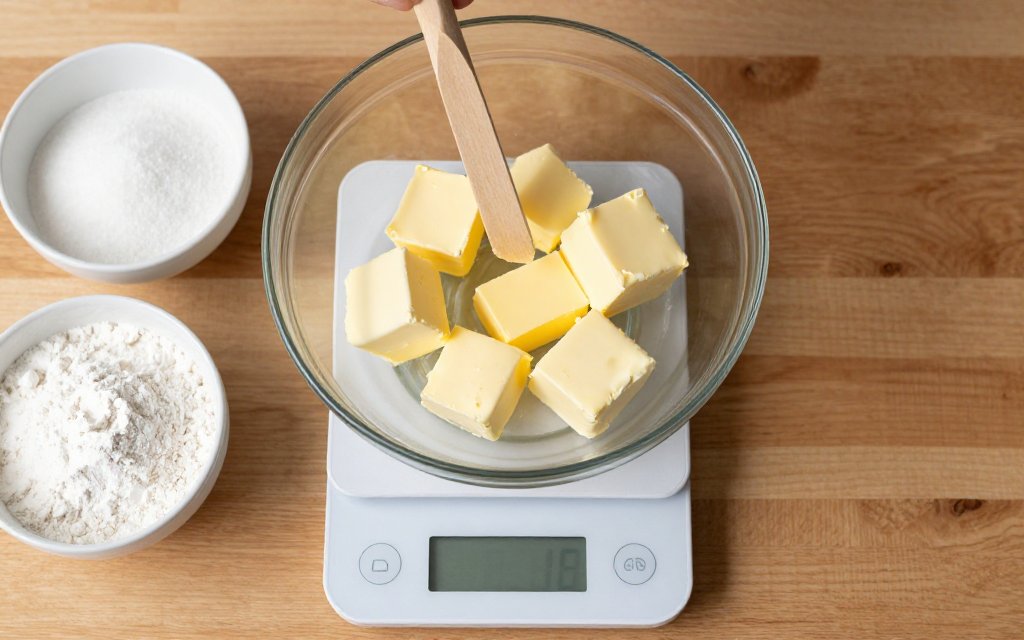
Put the bowl on a digital scale, tare it, and cut butter in until you reach the target. Our flour cups to grams chart uses the same method, and a block of cream cheese lands at 227 grams, the same as 2 sticks.
Need to weigh butter, flour or anything else in a hurry? Download Scale for Grams and get an AI-powered weight estimate from a photo in seconds. Get the app here: iOS.
Scale for Grams
Need to Weigh Something?
Download Scale for Grams and get an AI weight estimate from a photo in seconds.
